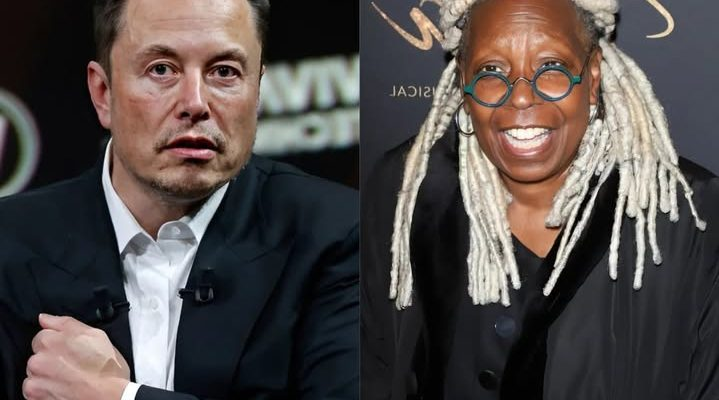
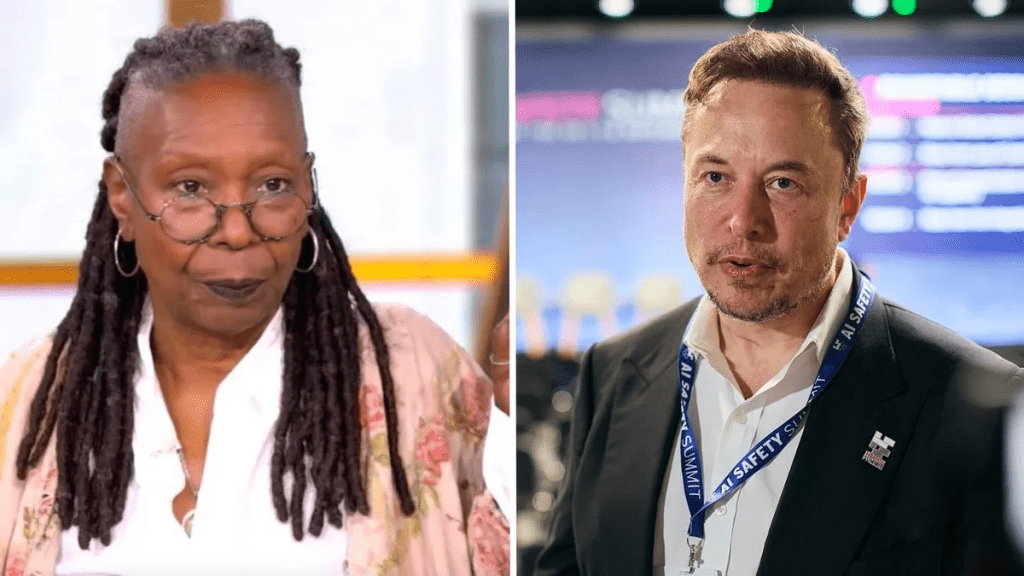
In a move that has sent shockwaves through the entertainment world, billionaire entrepreneur Elon Musk has acquired the long-running daytime talk show The View for a staggering $900 million. The unexpected purchase has triggered widespread speculation about Musk’s intentions in the media industry, especially given that the deal was finalized within just a few days of negotiations.
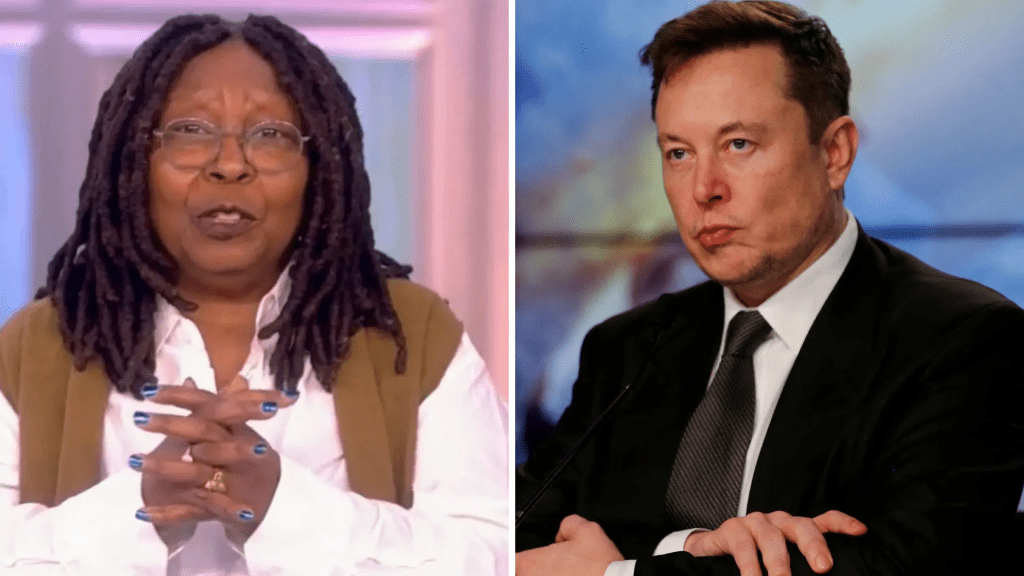
Sources close to the matter report that Musk wasted no time implementing drastic changes—including the immediate cancellation of the show and the firing of its most prominent host, Whoopi Goldberg.
This acquisition marks yet another unconventional turn in Musk’s career, as he continues to expand his influence far beyond the tech and aerospace sectors. Known for disrupting traditional industries through ventures like Tesla and SpaceX, Musk’s decision to buy a politically charged talk show has left many observers puzzled. Analysts are divided on whether this signals a genuine interest in media or a broader effort to challenge mainstream narratives in television.
Shortly after the announcement, Musk took to social media to confirm the show’s end. “The era of divisive daytime television is over,” he tweeted. “Time to focus on meaningful discourse.” The post sparked mixed reactions—some applauded Musk’s bold vision, while others accused him of silencing diverse viewpoints. He further described the show’s format as “low-value noise,” signaling his dissatisfaction with its tone and content.
Perhaps the most controversial aspect of the acquisition was the dismissal of Whoopi Goldberg, a central figure on The View since 2007. Known for her outspoken views on social and political issues, Goldberg has long been both celebrated and criticized for her commentary. Critics of Musk have accused him of singling her out due to her progressive stances, though no official reason has been given for her removal. Goldberg has not yet issued a public response to her sudden departure.
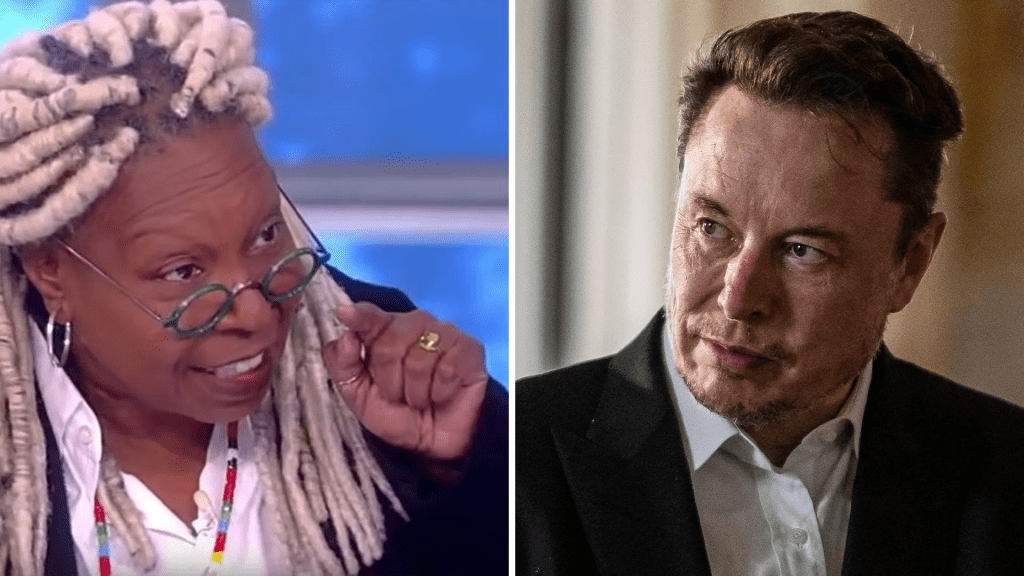
Fans of The View are voicing their disappointment following the show’s abrupt cancellation, arguing that it served as a vital platform for women’s voices in a media landscape often dominated by men. Since its debut in 1997, the show had been a mainstay of daytime television for over two decades. Known for its roundtable format, The View featured a diverse panel of women discussing everything from politics and social issues to pop culture and entertainment. Despite frequent criticism for its fiery debates, the show maintained a devoted fan base and earned multiple Daytime Emmy Awards over the years.
Critics of Elon Musk’s decision have raised broader concerns about the growing influence of billionaires in media ownership. Musk’s acquisition of The View is seen by some as part of a worrying trend in which wealthy individuals gain control of major media outlets—potentially threatening journalistic independence and the diversity of perspectives. Others, however, view Musk’s move as a bold attempt to reinvent television and inject fresh thinking into an increasingly divided media landscape.
As for what lies ahead, speculation is mounting over Musk’s plans for the show’s brand and time slot. Some insiders suggest he might use the platform to launch a new program centered around innovation and thoughtful dialogue, reflecting his stated goals. Others believe he may let the brand fade entirely, opting to focus on other ventures. Regardless of the outcome, Musk’s decision to cancel a long-standing and culturally significant show has further solidified his reputation as a disruptive force.
This high-profile acquisition also signals Musk’s expanding influence beyond the tech and automotive industries. With more than 150 million social media followers, he already plays a major role in shaping public discourse. His entry into the media world may further redefine how news and entertainment are delivered in the digital age. Still, critics warn that such consolidation of power could come at the expense of media plurality and independent voices.
The sudden end of The View has left a noticeable gap in daytime television, with networks now scrambling to fill the void. Media analysts are watching closely to see how audiences respond, as Musk’s controversial move may set a precedent for future media acquisitions. Whether his vision reshapes the industry or not, one thing is clear: Elon Musk’s presence in the world of media will not go unnoticed.
For fans of The View and those who valued its cultural impact, the show’s cancellation marks the end of an era. Its departure leaves behind a complex legacy—one of both empowering conversations and polarizing debates. As the dust settles, many are left wondering what this acquisition signals for the broader media landscape, and whether Elon Musk’s entrance into television will have long-term effects.
Ultimately, Musk’s $900 million bet on The View further cements his reputation as a polarizing force in global culture. His decision to dismantle a widely recognized—yet often controversial—program highlights his unwavering commitment to challenging the status quo, regardless of public backlash. Whether history will view this move as bold innovation or a misstep remains to be seen, but one thing is certain: Elon Musk has, once again, seized the world’s attention.