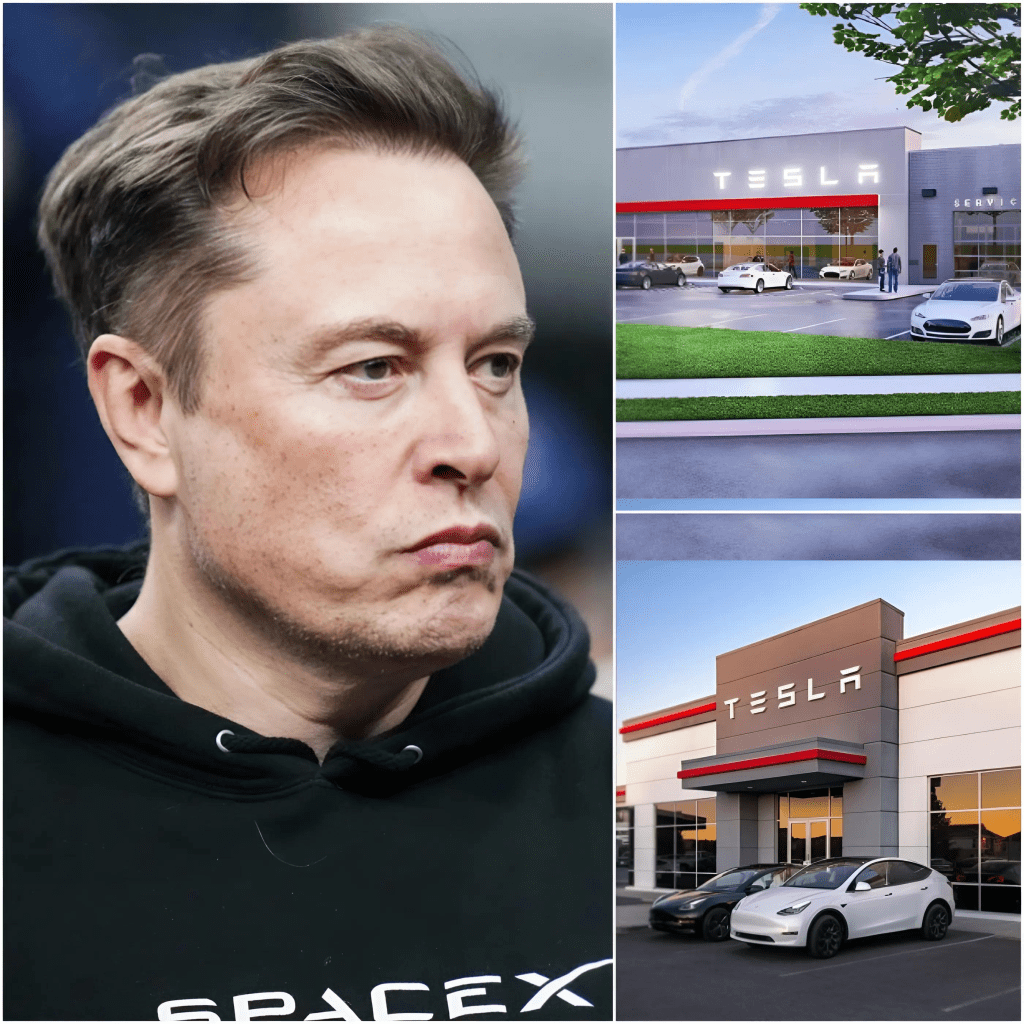
Elon Musk is facing growing political opposition in the United States, with a proposed bill advancing in the state of New York that could limit his control over the electric vehicle market. A series of laws, sponsored by Senator Patricia Fahy, aim to revoke the special permission that allows Tesla to sell vehicles directly to consumers without going through third-party dealerships. This change could radically reshape the competitive landscape of the electric vehicle market, redistributing Tesla’s dealership licenses to rivals such as Rivian, Scout Motors, and Lucid.
The initiative marks a major turning point for Senator Fahy, who had previously supported Tesla’s expansion in New York as part of the state’s clean energy goals. Initially, Fahy viewed the growth of electric vehicles as a key strategy in helping New York meet its ambitious sustainability targets. However, following a string of political developments and environmental concerns, Fahy has become one of Tesla’s most vocal critics. In a March interview, she stated that her proposal was not merely bureaucratic but a necessary correction to what she described as a harmful monopoly.
The conflict extends beyond just the automotive industry — it reflects a broader political tension surrounding Musk himself, whose increasingly controversial political positions have drawn attention. His alignment with the Trump administration and involvement with the Department of Government Efficiency (DOGE) have sparked anger among progressives, who accuse him of supporting a government that is rolling back environmental regulations and cutting funding for EV infrastructure.
Tesla responded strongly to the legislative proposal, accusing lawmakers of targeting the company for political reasons. Musk deleted a social media post criticizing the bill, but public outrage continues to grow. Protests have intensified, Tesla showrooms have been attacked, and even vehicles set on fire. Financial data reflect the impact: Tesla’s sales plummeted, and profits fell dramatically by 71% in Q1 2025.
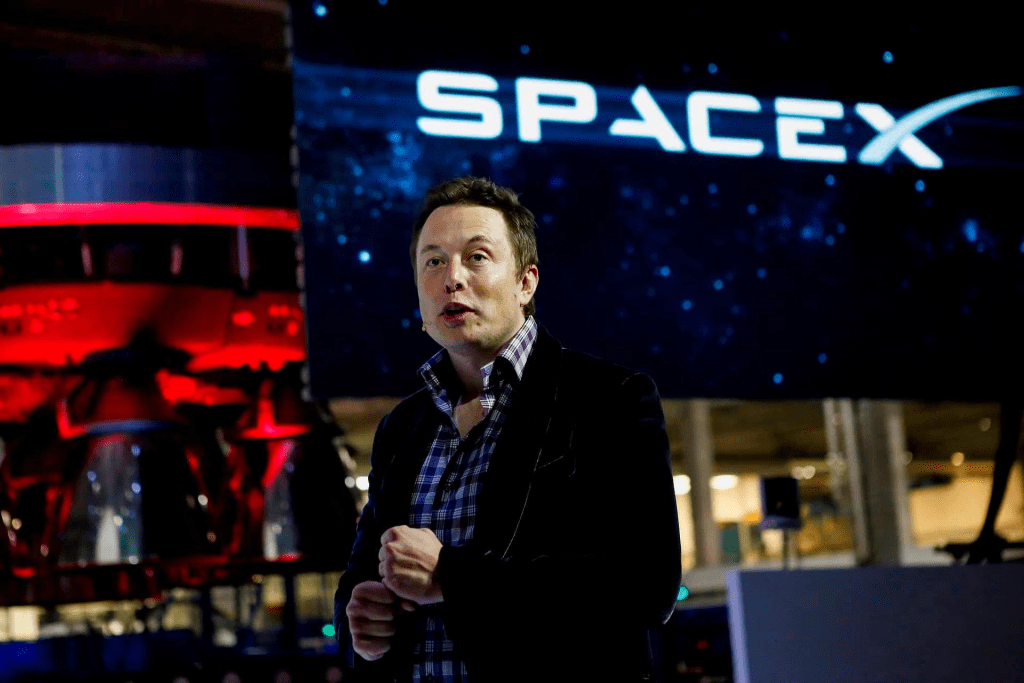
The introduction of this legislation represents a dramatic shift in public perception of Tesla. Once hailed as a leader in clean energy innovation, the company is now accused of exerting excessive economic power and embracing divisive political alliances. Senator Fahy argued that Tesla has lost its right to operate freely in New York, claiming a company aligned with a “regressive” administration should not be exempt from regulation. The bill also underscores a larger divide between those aiming to protect the industry and those who see Musk’s influence as a threat to renewable energy progress.
If passed, the legislation would drastically reduce Tesla’s direct presence in New York, forcing it to rely on traditional dealerships—a model Musk has always rejected. This opens the door for competitors like Rivian, Scout Motors, and Lucid to gain market share in New York, a strategically vital region.
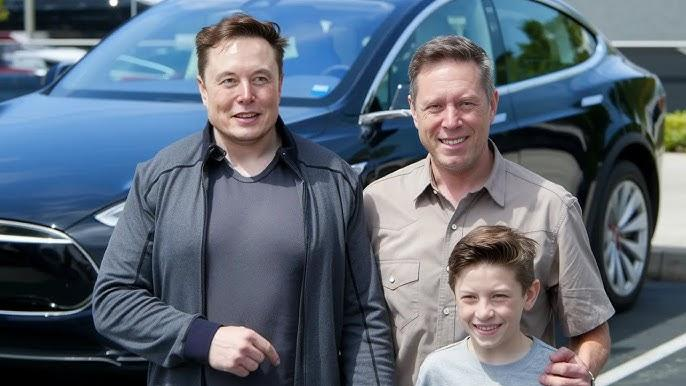
For Tesla, the immediate risk is significant. Losing the ability to sell directly could slash its market share, while traditional dealership-friendly competitors stand to benefit. The pressure mounts as other EV producers grow more competitive, and Tesla’s once-unassailable advantages—direct sales and brand prestige—are now under threat.
Critics warn that targeting Tesla with such specific legislation could set a dangerous precedent for other tech companies. They argue that this type of political interference might discourage innovation and make states appear hostile to entrepreneurship. Fahy’s proposal has thus become part of a broader debate about how politics can negatively impact the business landscape.
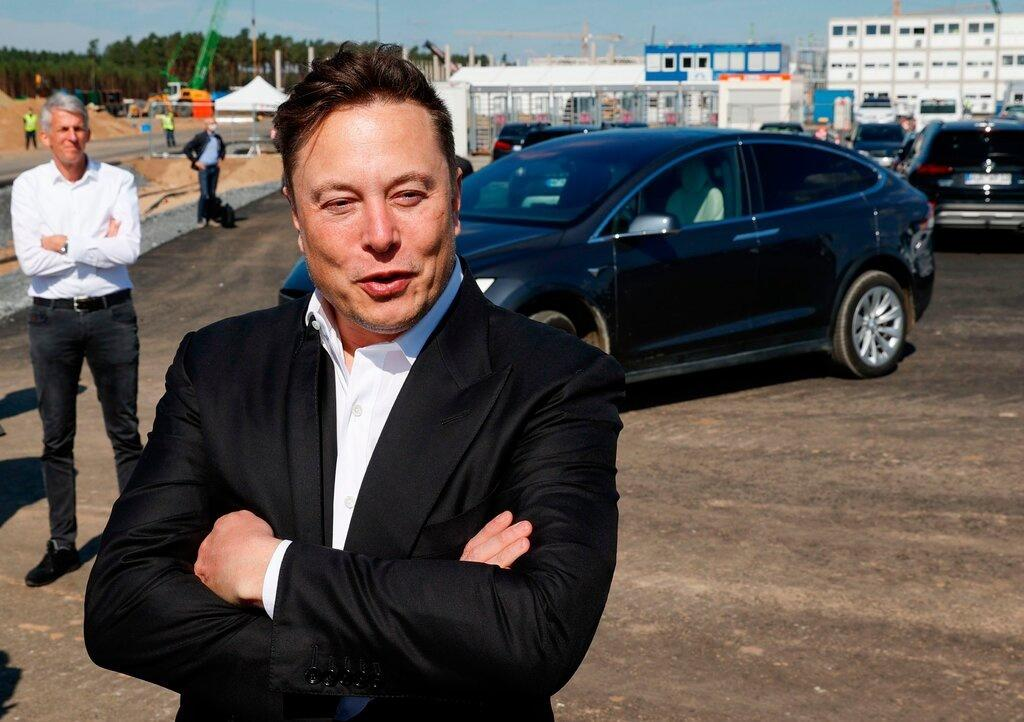
Now, the situation lies in the hands of the New York State Senate, which will review the bill in the coming days. If passed, it could usher in a new era for Tesla, its rivals, and the entire electric vehicle industry. Rivian, Lucid, and Scout Motors stand ready to seize the opportunity if Tesla stumbles—but they, too, could find themselves caught in an increasingly politicized battle over the future of green technology.