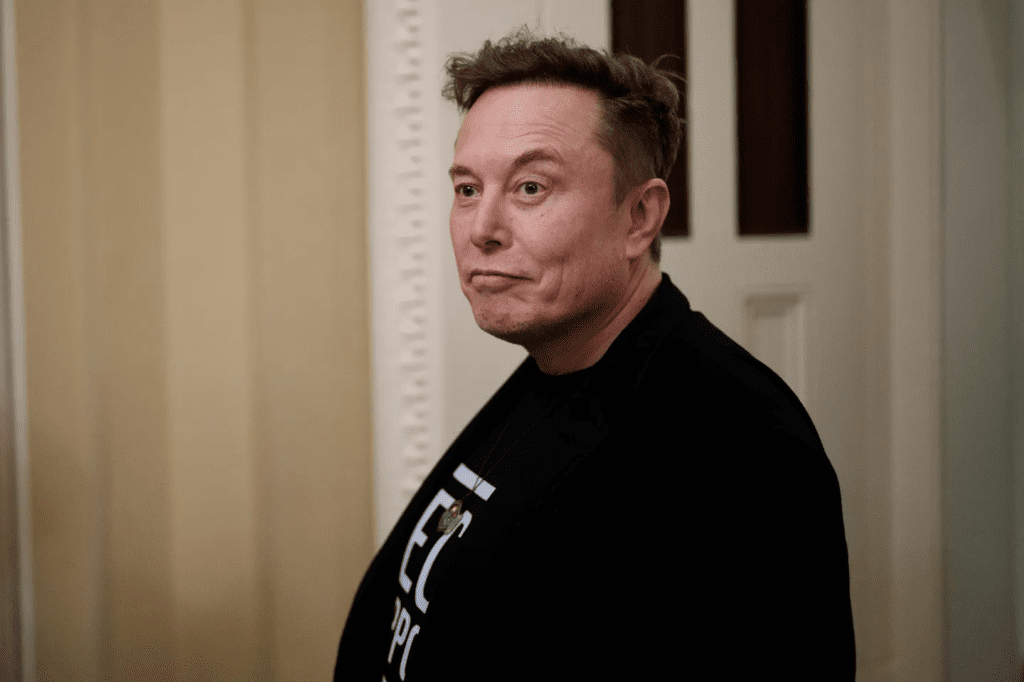
In a bold move combining populist transparency with a flair for spectacle, tech billionaire Elon Musk has sparked a new national conversation reaching far beyond the usual domains of technology, space exploration, or electric vehicles. The CEO of Tesla and SpaceX has publicly proposed a livestream tour of Fort Knox’s legendary gold reserves — an idea now reportedly endorsed by former President Donald Trump.
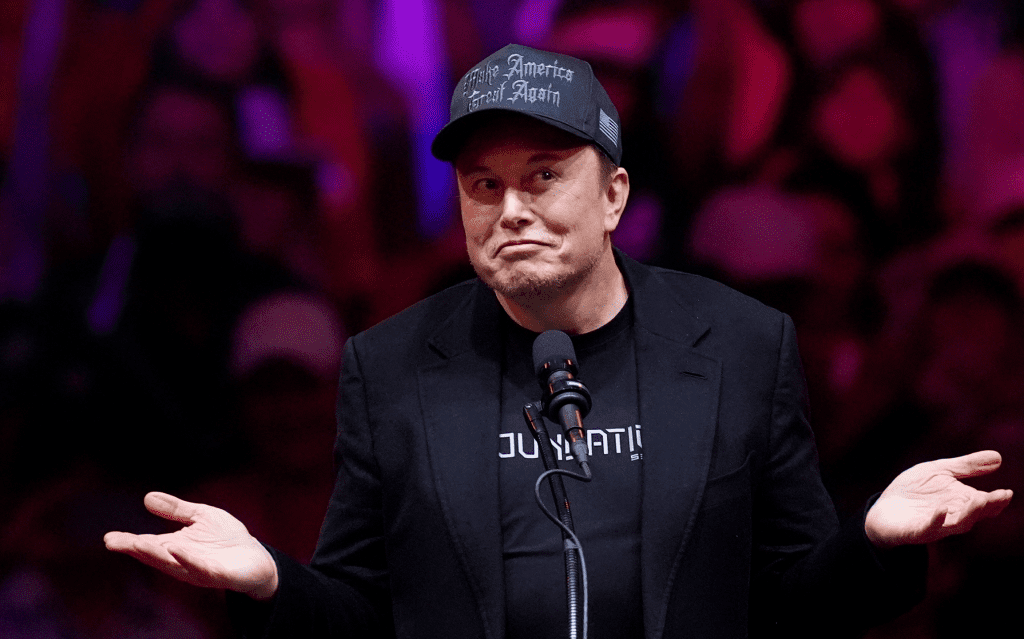
“I mean, that would be really fun,” Musk remarked. “And after all, it is the American people’s gold, so it seems to me they have a right to see it.”
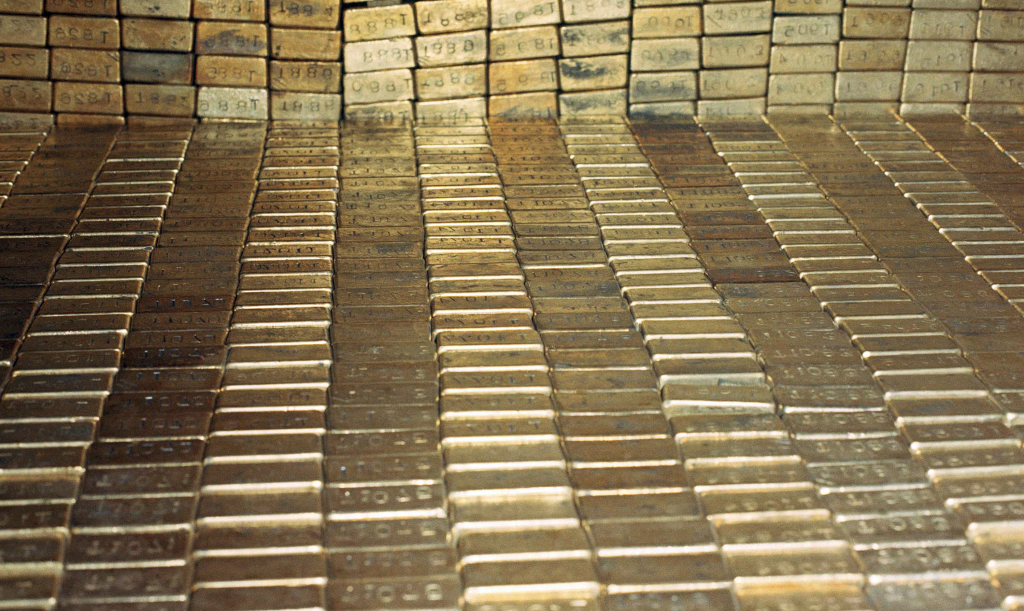
The comment came during a thread on X (formerly Twitter), where Musk casually entertained the idea of confirming whether the U.S. Bullion Depository still holds its full stockpile — an astounding 147.3 million troy ounces of gold, worth over $459 billion at current market prices.
Though partially in jest, the proposal taps into long-standing public curiosity and skepticism surrounding one of America’s most secretive institutions.
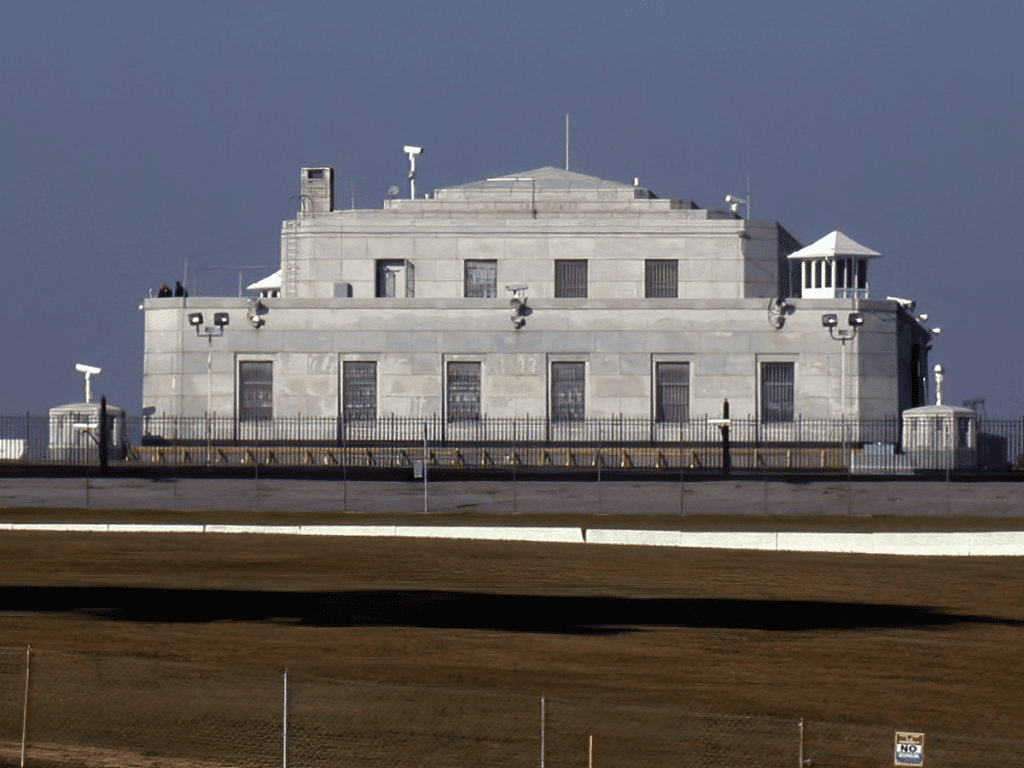
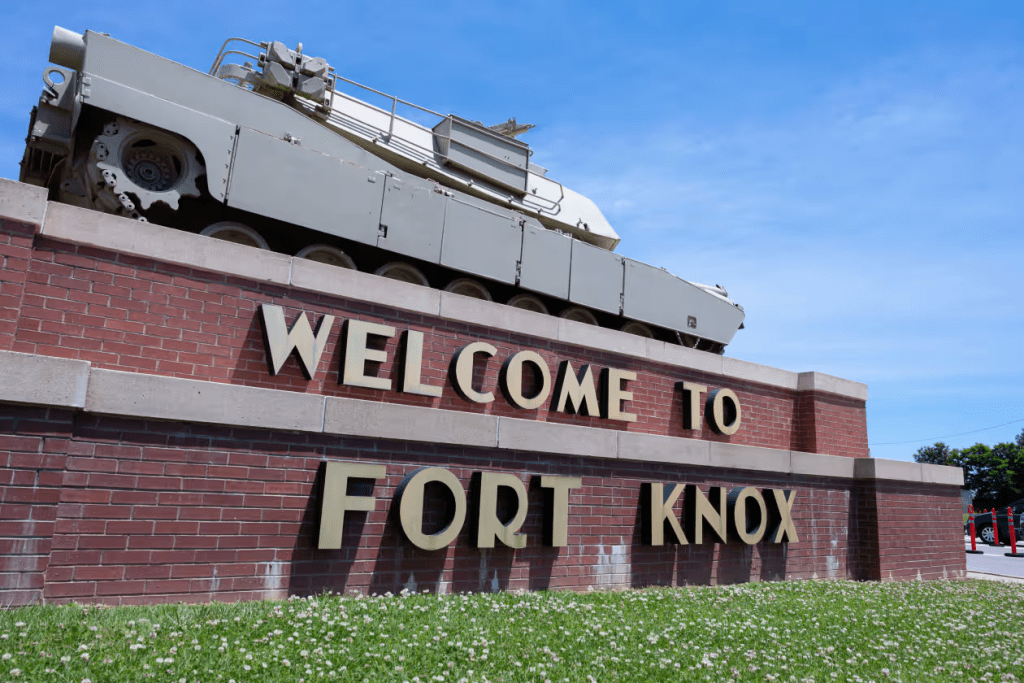
Fort Knox, located in Kentucky, is widely believed to be among the most secure facilities on Earth, with multiple layers of physical and electronic security. The exact specifications remain classified. The gold stored there — primarily 400-ounce bars — is a core component of the nation’s financial reserves.
According to the U.S. Mint, Fort Knox holds about 147.3 million troy ounces of gold, roughly half of the country’s total holdings. That gold is owned by the U.S. Treasury and serves as a strategic reserve.
Despite official audits and records, public access to Fort Knox is virtually nonexistent. The last media visit occurred in 1974, and only a handful of government officials have seen the vault’s interior firsthand. This extreme secrecy has fueled conspiracy theories for decades — some merely speculative, others wildly implausible.
Musk’s comments resonated with millions, triggering renewed debate over government transparency and the public’s trust in national financial institutions. In his signature style, Musk blended humor with pointed commentary: “Hopefully, it looks really cool. You know, open the doors and go, ‘Is it there? Is that really gold? Let’s check.’ Maybe it’ll be really interesting.”
Shortly after Musk’s post, sources close to Donald Trump confirmed that the former president also supports the idea. Known for his push for institutional transparency and distrust of federal bureaucracy, Trump reportedly sees the proposal as a natural extension of his populist message — returning control and access to “the people.”
The call for a livestream — or at least a more public verification — has gained traction not only among Trump supporters but also among cryptocurrency advocates and gold standard proponents, many of whom are deeply skeptical of fiat currency and centralized monetary systems.
Skepticism about Fort Knox is nothing new. Over the years, conspiracy theories have alleged that some — or all — of the gold has been secretly removed, replaced with fake bars, or never existed in the claimed amounts.
These suspicions intensified after the U.S. left the gold standard in 1971 under President Nixon, meaning the dollar has since been backed only by the government’s word, not a physical commodity. This shift has led some to fear that America’s reserves are either depleted or mismanaged.
Earlier this year, Musk contributed to the speculation, posting on X: “Who is confirming that gold wasn’t stolen from Fort Knox? Maybe it’s there, maybe it’s not.”
While most experts dismiss these theories as baseless, the lack of transparency around Fort Knox doesn’t help ease doubts. The absence of consistent public audits only deepens public mistrust.
Still, federal officials maintain that the gold is safe and accounted for. Treasury Secretary Scott Bessent stated in February that annual audits confirm the reserves’ presence. “The audit ending September 30 verified all gold is present and accounted for,” Bessent assured in a press briefing.
Former Treasury Secretary Steven Mnuchin also tried to dispel rumors following his 2017 visit to Fort Knox — the first by a Treasury Secretary in over 50 years. “The gold was there when I visited,” he told CNBC. “I hope nobody’s moved it. I’m sure they haven’t.”
However, Mnuchin’s remarks — meant to reassure — raise a fair question: Why is so little access granted to verify something of such national importance?
While a livestream might sound like the ultimate act of modern transparency — or even reality-TV gold — the logistical and security challenges are enormous.
Fort Knox is one of the most heavily guarded locations in the world, protected by fences, alarms, armed guards, surveillance systems, and possibly even landmines (though that remains unconfirmed). Unauthorized electronics and cameras are strictly prohibited, and access requires high-level security clearance.
Opening Fort Knox to the public, even digitally, could pose serious national security risks. Exposing its infrastructure might invite hostile actions and breach long-standing confidentiality protocols regarding national reserves.
Still, some analysts argue that a carefully managed, one-time public viewing — perhaps through vetted media or a government-organized broadcast — could restore trust, especially at a time when public confidence in institutions is fragile.
Musk’s livestream idea, though lighthearted on the surface, highlights a deeper issue: the widening gap between the public and the institutions managing national wealth.
As interest grows in decentralized finance (DeFi), cryptocurrencies, and alternative assets, scrutiny of centralized institutions like central banks and bullion depositories is intensifying. Calls for greater transparency around the storage and protection of wealth reflect a broader cultural shift.
Once again, Musk has managed to blend entertainment with serious public discourse. Whether or not the livestream actually happens, the conversation is now out in the open.
And in an age where trust is arguably more valuable than gold, that might just be the point.
The Fort Knox livestream may be unlikely — but it’s undeniably compelling. Whether driven by genuine concern, political theater, or a flair for the dramatic, Musk and Trump have tapped into a powerful force: the desire for transparency, accountability, and confirmation that our institutions are upholding their promises.
Until then, the gold — we’re told — remains safe and sound, locked behind vault doors, untouched and unseen.